


Προωθημένο

-
2 Δημοσιεύσεις
-
2 τις φωτογραφίες μου
-
0 Videos
-
Web Marketing Executive στο Market Research Future
-
ζει στην New York
-
Από New York
-
σπούδασε MCA στο USA UniversityClass of A
-
Female
-
ακολουθείται από 0 μέλη
Αναζήτηση



 Chinese
 English
 Arabic
 French
 Spanish
 Portuguese
 Deutsch
 Turkish
 Dutch
Dutch
 Italiano
 Russian
 Romanian
 Portuguese (Brazil)
Πρόσφατες ενημερώσεις
-
Transforming Business Efficiency with Modern ERP Software
Enterprise Resource Planning (ERP) software has become an essential backbone for organizations seeking greater operational efficiency, improved collaboration, and real-time visibility across departments. As businesses grow, managing daily activities through disconnected tools becomes complex and inefficient. ERP software solves this challenge by integrating core functions—such as finance, human resources, procurement, inventory, production, and customer management—into a single centralized platform. This unified approach streamlines workflows, enhances data accuracy, and helps teams make informed decisions without the delays caused by manual processes or data silos.
Source - https://www.marketresearchfuture.com/reports/erp-software-market-1412
One of the strongest advantages of ERP software is its ability to automate routine tasks. Activities like invoice generation, payroll processing, order management, and inventory tracking can be automated, reducing administrative workload and minimizing human error. Automation not only saves time but also ensures consistency and compliance across business operations. With instant access to updated information, managers can monitor performance trends, identify bottlenecks, and respond more quickly to market or operational changes.
Modern ERP systems are also highly scalable and customizable, allowing organizations of all sizes to tailor features according to their industry needs. Whether a company specializes in manufacturing, retail, healthcare, logistics, or services, ERP solutions can adapt to specific workflows and regulatory requirements. Cloud-based ERP platforms have further enhanced accessibility, enabling employees to work remotely and securely while maintaining seamless connectivity to essential business data. This flexibility is especially valuable for growing companies that require systems capable of evolving alongside their operations.
Another important benefit of ERP software is enhanced collaboration and communication. Since all departments work from the same data source, teams can coordinate more effectively, avoid duplication of efforts, and manage tasks with greater transparency. For example, sales teams gain real-time insights into inventory levels, finance departments access accurate cost information, and procurement teams can forecast needs more precisely. This interconnected environment promotes accountability while ensuring that decision-makers rely on consistent and reliable information.
Security is also a core strength in modern ERP solutions. With sensitive data stored in centralized and encrypted systems, organizations can maintain better control over user access, reduce the risk of data breaches, and meet privacy or compliance standards. Cloud ERP platforms often include advanced security monitoring, regular updates, and backup features, ensuring that business data remains protected and available even during unexpected disruptions.
In addition to operational improvements, ERP software supports strategic growth. It provides powerful analytics and reporting tools that help leaders evaluate performance, understand customer behavior, optimize resource allocation, and plan future initiatives. By transforming raw data into actionable insights, ERP systems play a significant role in shaping long-term business strategies.
Overall, ERP software is not just a technological upgrade—it is a transformative tool that empowers organizations to operate smarter, faster, and more competitively. By integrating processes, improving workflow efficiency, strengthening collaboration, and supporting data-driven decision-making, ERP systems remain essential for companies aiming to thrive in an increasingly dynamic business environment.Transforming Business Efficiency with Modern ERP Software Enterprise Resource Planning (ERP) software has become an essential backbone for organizations seeking greater operational efficiency, improved collaboration, and real-time visibility across departments. As businesses grow, managing daily activities through disconnected tools becomes complex and inefficient. ERP software solves this challenge by integrating core functions—such as finance, human resources, procurement, inventory, production, and customer management—into a single centralized platform. This unified approach streamlines workflows, enhances data accuracy, and helps teams make informed decisions without the delays caused by manual processes or data silos. Source - https://www.marketresearchfuture.com/reports/erp-software-market-1412 One of the strongest advantages of ERP software is its ability to automate routine tasks. Activities like invoice generation, payroll processing, order management, and inventory tracking can be automated, reducing administrative workload and minimizing human error. Automation not only saves time but also ensures consistency and compliance across business operations. With instant access to updated information, managers can monitor performance trends, identify bottlenecks, and respond more quickly to market or operational changes. Modern ERP systems are also highly scalable and customizable, allowing organizations of all sizes to tailor features according to their industry needs. Whether a company specializes in manufacturing, retail, healthcare, logistics, or services, ERP solutions can adapt to specific workflows and regulatory requirements. Cloud-based ERP platforms have further enhanced accessibility, enabling employees to work remotely and securely while maintaining seamless connectivity to essential business data. This flexibility is especially valuable for growing companies that require systems capable of evolving alongside their operations. Another important benefit of ERP software is enhanced collaboration and communication. Since all departments work from the same data source, teams can coordinate more effectively, avoid duplication of efforts, and manage tasks with greater transparency. For example, sales teams gain real-time insights into inventory levels, finance departments access accurate cost information, and procurement teams can forecast needs more precisely. This interconnected environment promotes accountability while ensuring that decision-makers rely on consistent and reliable information. Security is also a core strength in modern ERP solutions. With sensitive data stored in centralized and encrypted systems, organizations can maintain better control over user access, reduce the risk of data breaches, and meet privacy or compliance standards. Cloud ERP platforms often include advanced security monitoring, regular updates, and backup features, ensuring that business data remains protected and available even during unexpected disruptions. In addition to operational improvements, ERP software supports strategic growth. It provides powerful analytics and reporting tools that help leaders evaluate performance, understand customer behavior, optimize resource allocation, and plan future initiatives. By transforming raw data into actionable insights, ERP systems play a significant role in shaping long-term business strategies. Overall, ERP software is not just a technological upgrade—it is a transformative tool that empowers organizations to operate smarter, faster, and more competitively. By integrating processes, improving workflow efficiency, strengthening collaboration, and supporting data-driven decision-making, ERP systems remain essential for companies aiming to thrive in an increasingly dynamic business environment.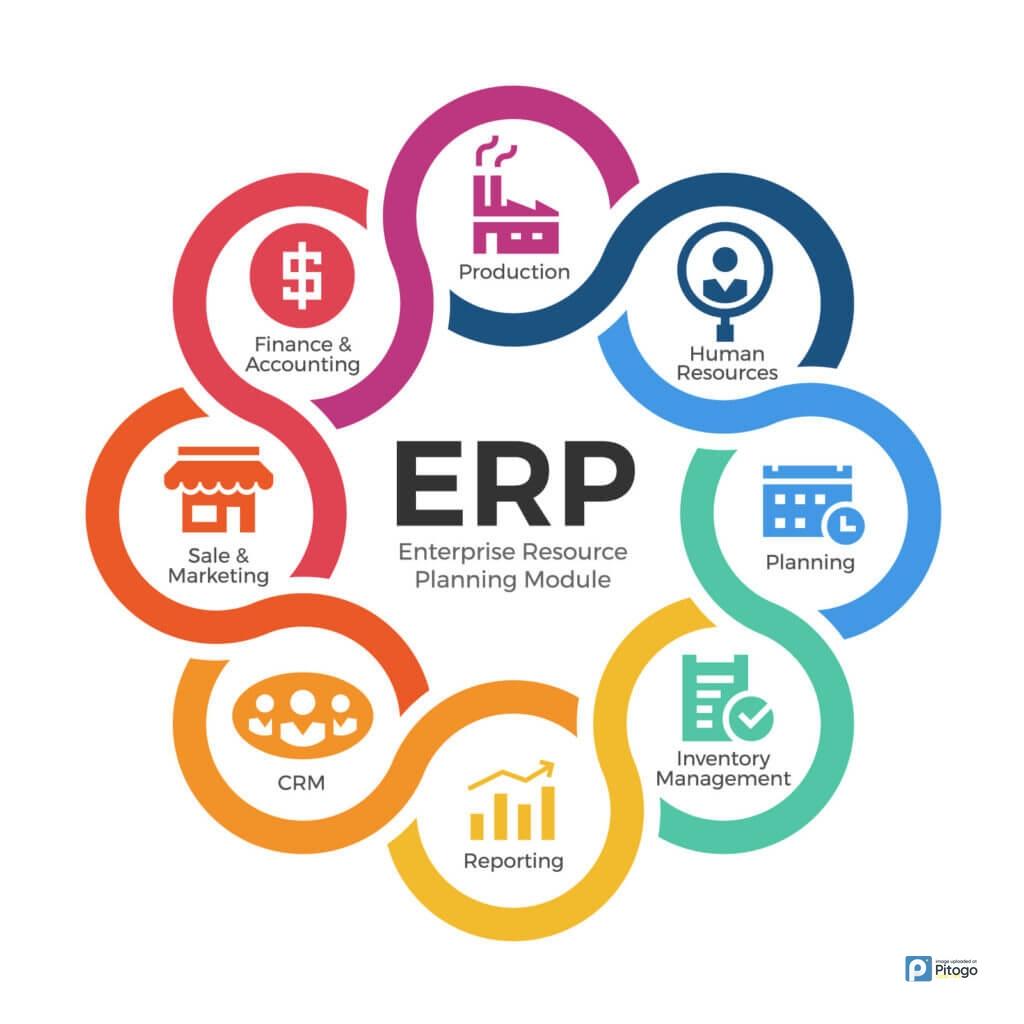 0 Σχόλια 0 Μοιράστηκε 11χλμ. Views 0 Προεπισκόπηση
και άλλες ιστορίες